



-
 Ego Is the Enemy
1 × $5.99
Ego Is the Enemy
1 × $5.99
Subtotal: $5.99
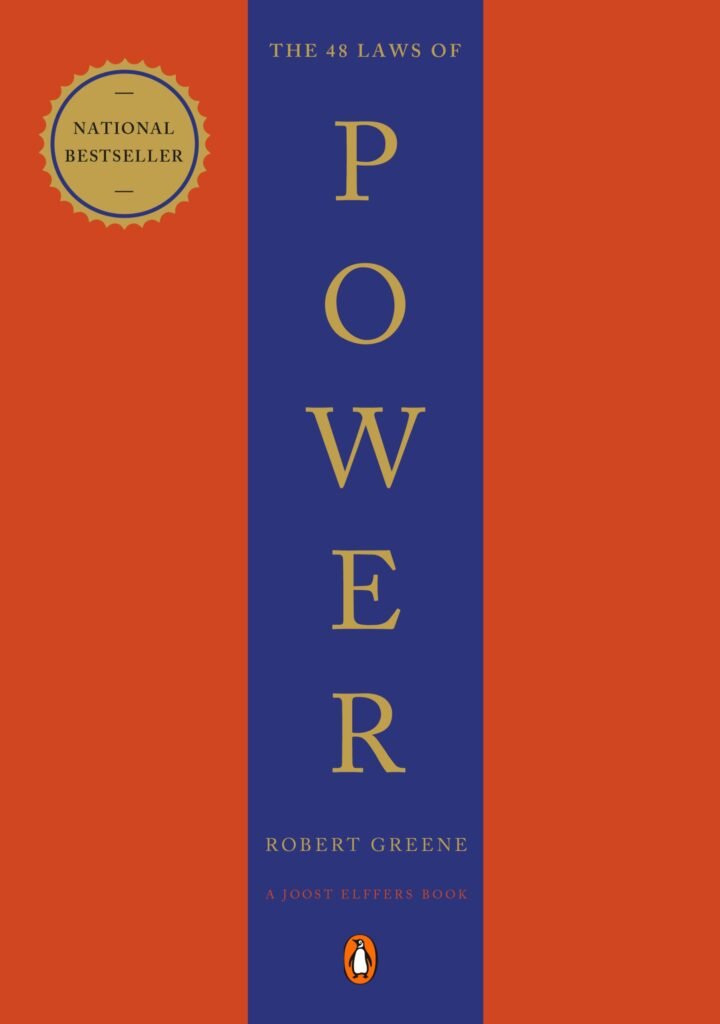
So you know that book everyone either swears by or side-eyes suspiciously? Yeah, The 48 Laws of Power. Some people call it a straight-up manual for manipulators. Other people — like, a suspicious number of CEOs and founders — keep it on their desk like it’s the Bible. Both things are apparently true at once, which is kind of hilarious.
Here’s the thing though: what is this book actually about? Once you get past the drama, it’s basically a giant cheat sheet on how people, status, and influence really work — pulled from thousands of years of history, war, and political scheming. And here’s a reframe that helped me a lot: power isn’t “evil.” It’s just a tool. Like a kitchen knife — you can use it to make dinner or you can use it to be a menace. The tool doesn’t care. It’s all about what you do with it. Reading through Robert Greene’s power laws doesn’t automatically turn you into a villain — it just means you finally understand the game everyone around you is already playing, whether you signed up for it or not.
Honestly, most of the hate this book gets misses the point a little. The 48 laws themselves are just… observations. Greene basically watched thousands of years of powerful (and shady) people and wrote down the patterns. The genuinely aggressive part is the intro, where he’s like “go get power, don’t feel bad about it” — that’s where the villain-era reputation comes from.
But here’s my favorite way to think about it: this book is way more useful for defense than offense. If you don’t know these tricks exist, you’re an easy target for someone who does. Reading this isn’t about becoming a shark. It’s about learning to spot one before it swims up and steals your lunch.
Fun fact that’ll win you a bar trivia round someday: this book has actually been banned in a bunch of U.S. prisons. Like, that’s how seriously people take the stuff in here. Can’t lie, that little detail alone makes you want to know what’s inside, right?
The first chunk of laws is all about image — basically, wearing a bit of a mask. And look, I know “just be your authentic self 24/7” is the internet’s favorite advice, but according to Greene, oversharing everything about yourself is actually kind of bad for your reputation. The people (and brands) we respect most usually keep a little mystery going. Total transparency just hands people ammo.
Law 1: Never Outshine the Master is the one everyone quotes for a reason. Translation for your 9-to-5: don’t try to one-up your boss. Make them look good, give credit generously, let your work speak quietly instead of loudly competing with them. Weirdly, this is often the fastest way to actually get promoted — bosses rarely fast-track someone who makes them feel threatened.
Law 4: Say Less Than You Think You Should is basically the power of shutting up sometimes. In negotiations, on social media, wherever — silence leaves a gap, and people fill that gap with their own imagination, which is usually more generous than reality. Less talking, more mystery, more power. Who knew.
This middle chunk gets a little more… tactical. Some spicy stuff in here.
Law 10: Avoid the Unhappy and Unlucky is basically “vibes are contagious, so choose your circle wisely.” This one hits so hard in influencer/social media world — hang around chaotic, drama-magnet people and their mess rubs off on your reputation too. It’s basically the professional version of “you’re the average of the five people you spend time with.”
Law 11: Make People Need You is about becoming the person who just… knows how everything works. The one who understands the ancient spreadsheet nobody else touches, or has the one client relationship that keeps the lights on. Make yourself annoyingly hard to replace — it’s basically job security, but sneaky.
Then there’s Law 44: The Mirror Move, which is honestly kind of a mind trick. You reflect someone’s energy or behavior back at them, and it lowers their guard while you quietly figure out what they’re really after. Sounds like a Jedi trick because it kind of is.
The last stretch turns inward — less “how to handle other people,” more “how to handle yourself.”
Law 25: Reinvent Yourself is basically permission to not be stuck as one version of you forever. Shake things up every once in a while so you’re not boxed into whatever people decided you were three years ago — and so you stay ahead of whatever’s trending next.
Law 29: Plan the Whole Thing Out is the difference between drifting through life reacting to whatever happens, versus actually deciding where you’re headed and working backward from there. Sounds obvious, but most people genuinely don’t do this, and it shows.
And then, the grand finale: Law 48: Be Like Water. Stay flexible, stay adaptable, don’t be predictable — because if nobody can pin down exactly who you are or what you’ll do next, nobody has a clean shot to attack. Honestly this one’s just good life advice in general.
Translating royal court drama into your actual job is easier than you’d think:
Okay, real talk moment: this book is not a step-by-step instruction manual. Greene straight-up says power is more art than science, and honestly, that’s the most important thing in this whole post. Blindly copy-pasting one of these laws into a totally different situation is how you end up looking clueless instead of clever — context matters more than the “rule.”
Also — please, for the love of your career — do NOT try Law 15: Crush Your Enemy Totally at your actual job. In an office with an HR department (so, basically every office), that’s not power move, that’s a resignation-letter-writing-itself move. Know which laws are actually safe to use, and which ones are strictly “for reading, not doing.”
Which law should new managers know first? Law 1 — don’t outshine your boss. It’s the one that quietly builds trust fastest.
Is using this stuff at work shady? Not really! Using it to protect yourself, read a room, or negotiate fairly is honestly just… being professionally smart. It’s the intent behind it that matters, not the tactic itself.
If I only remember three laws, which ones? Law 1 (don’t upstage your boss), Law 4 (talk less, reveal less), and Law 11 (make yourself hard to replace). Nail those three and you’ve basically got the greatest hits album.
At the end of the day, this whole book isn’t really about becoming some ruthless power player. It’s about finally seeing the game that’s already happening around you — so you can either play it smart or just dodge the people who are playing it on you.