




Theo of Golden by Allen Levi: Incredible Review & Inspiring 2026 Summary
Theo of Golden by Allen Levi: Comprehensive Book Review, Character Guide, and Themes , Self-Improvement book
Table of Contents
If you’ve spent any time in a bookstore, a book club, or on bookish social media over the past year, you’ve probably heard the buzz around Theo of Golden by Allen Levi. What started as a quiet, self-published passion project has become one of the most talked-about literary fiction breakouts in recent memory. This comprehensive guide covers everything you need to know: the plot, the full character guide, the core themes, the critical reception, the author’s remarkable backstory, and discussion questions for your next book club meeting.
Whether you’re deciding if this novel is worth your time, looking for a refresher before a discussion, or simply curious why a debut novel from a 60-something first-time author became a runaway bestseller, this guide has you covered.
Quick Facts & Book Information
| Detail | Information |
|---|---|
| Author | Allen Levi |
| Publisher | Atria Books (Simon & Schuster) |
| Release Date | 2025 (traditional publication); originally self-published in 2023 |
| Genre | Literary Fiction, Southern Fiction, Inspirational Fiction |
| Audiobook Narrator | Mark Bramhall — listen on Audible |
| Comparable Titles | Ted Lasso (TV), Tuesdays with Morrie, A Man Called Ove, Gilead |
What is Theo of Golden About? (Plot Summary)
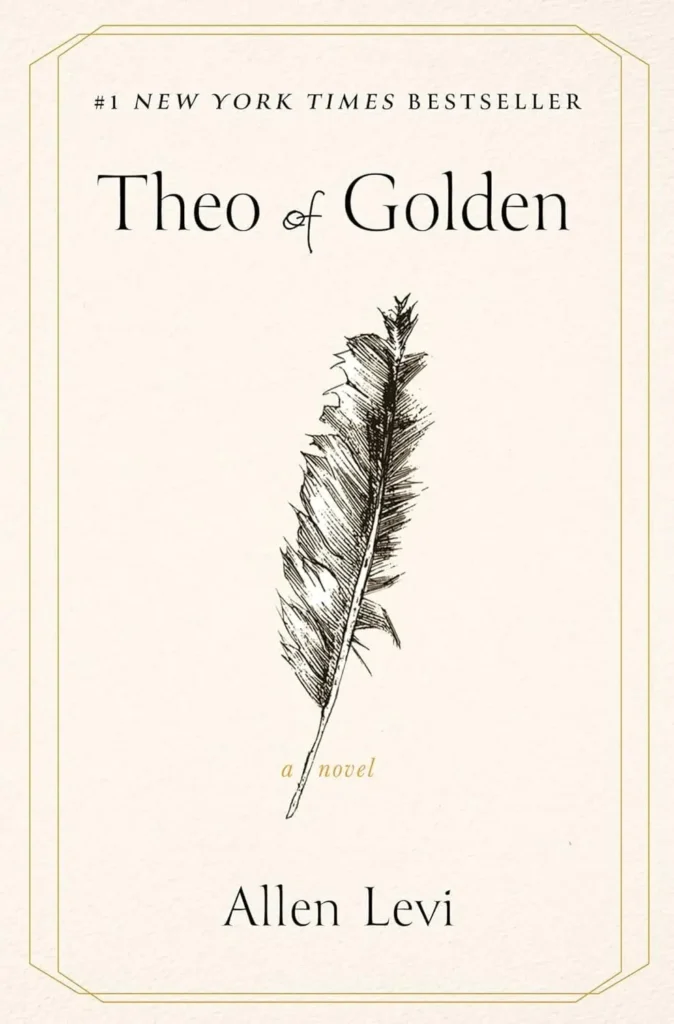
At its heart, Theo of Golden is a quiet, character-driven meditation on kindness, memory, and connection. The novel introduces Theo, an elderly Portuguese man with impeccable manners and a mysterious past, who arrives one spring morning in the fictional small Southern town of Golden, Georgia. No one knows quite where he’s come from or why he’s chosen this particular town to settle in.
The central premise unfolds gently: Theo visits a local coffeehouse where 92 pencil portraits hang on the walls, all created by a local artist. One by one, Theo begins purchasing the portraits, and then—rather than keeping them—he sets out to return each one to its “rightful owner”: the person depicted in the drawing. Each exchange becomes an occasion for a story, a confession, or a small act of healing, gradually knitting the community of Golden closer together.
This is not a plot-driven, twist-heavy novel. Readers should go in expecting a deliberately slow pace and a strong focus on interior life, small-town texture, and the emotional arcs of its cast rather than external conflict or suspense. The pleasure of Theo of Golden comes from watching relationships deepen one conversation at a time.
Character Guide: The People of Golden
Understanding the ensemble cast is key to appreciating how the novel’s themes play out. Here’s a breakdown of the major figures in Golden:
- Theo (Theophilus): The mysterious, wealthy, and elderly protagonist. His impeccable manners and quiet generosity make him a catalyst for healing throughout the town.
- Asher Glissen: The gifted local portrait artist whose 92 drawings form the emotional backbone of the story—and whose talent, notably, goes largely unnoticed until Theo intervenes.
- Tony: The bookshop owner and Vietnam veteran who becomes something of a community anchor and confidant.
- Ellen: A vulnerable member of the community who has endured profound loss. Many readers single her out as the novel’s most emotionally realistic character.
- Willa (also known as Olivia Reese): Ellen’s daughter, taken from her as an infant—a storyline that carries much of the book’s emotional weight.
- Minnette: A woman wrestling with regret, caught between the life she imagined for herself and the one she actually has.
- Kendrick: A respected figure within the Golden community.
- Mateo Mendez: A troubled young man whose arc pushes the town—and the reader—to reconsider what grace actually looks like in practice.

Core Themes and Symbolism
Beneath its gentle, small-town surface, Theo of Golden engages with several substantial themes that reward closer reading.
The Power of Being “Seen”
Theo’s gift is never really about the physical portrait itself. What he actually offers each person is undivided attention—a rare, almost old-fashioned form of presence in a world of distraction. The psychology behind this idea is simple but powerful: being truly seen by another person is one of the deepest human needs, and the novel treats it as a kind of quiet medicine.
Generosity and Legacy
The book repeatedly suggests that legacy isn’t built through wealth, titles, or productivity in the conventional sense, but through intentionality, presence, and small, repeated acts of kindness. Theo’s fortune enables his generosity, but it’s his attentiveness—not his money—that actually changes people’s lives.
Faith and Quiet Spirituality
Christian influences run throughout the novel—mercy, grace, and imagery of living water surface again and again. Yet Levi handles these ideas with a light touch. Many readers describe the book’s spirituality as “lived rather than argued,” meaning faith shows up in action and character rather than sermonizing, which helps the novel appeal well beyond a strictly religious readership.
Grief and Healing
Perhaps the novel’s most resonant idea is that joy and sorrow are intertwined rather than opposites. Grief, in Levi’s telling, doesn’t simply get resolved or overcome—it becomes woven into who a person is, and healing means learning to carry it rather than erase it.
Critical Reception: The Good and The Bad
As with any breakout hit, Theo of Golden has drawn both passionate praise and pointed criticism. A fair review means looking honestly at both sides.
Why Readers Love It
Emotional Resonance: Many readers report being moved to tears by the novel’s climax, praising its overarching message of everyday goodness, compassion, and human connection.
An Antidote to Modern Cynicism: Fans frequently note how refreshing the book’s old-fashioned emphasis on manners and kindness feels in an era that can often feel defined by public cruelty and division. For many, the novel functions almost like a psychological reset—a reminder of a gentler way of relating to strangers.
Common Criticisms
Writing Style & Pacing: Some critics argue that Levi’s prose leans too heavily on “telling” rather than “showing,” with repetitive lists of appositives that a few reviewers have felt read almost like AI-generated text (see, for example, this in-depth review on Medium). Combined with the deliberately unhurried pace, this style isn’t for every reader.
The “Wealthy Savior” Trope: A recurring critique, especially from artists and creative professionals, is that Asher’s talent goes unrecognized by the town until a wealthy outsider validates it—an arc some feel inadvertently praises capital over artistic labor and craft.
Character Nuance and Gender Roles: Detractors also point out that the novel’s villains can feel thin and underdeveloped, and that male characters tend to drive the plot forward while female characters—including an unhoused woman in the story—more often occupy the role of someone needing rescue.
About the Author: Allen Levi’s Remarkable Journey
Allen Levi’s path to becoming a published novelist is almost as compelling as the story itself. Before writing Theo of Golden, Levi had an unusually eclectic career: he worked as a lawyer, performed as a singer-songwriter (including at summer camps), and served as a probate judge. He didn’t publish his debut novel until he was well into his sixties—a genuinely late-blooming literary career that adds real weight to the book’s themes of purpose and legacy discovered later in life.
The book’s publishing journey is equally unconventional. Levi originally wrote Theo of Golden as a personal creative challenge and self-published it in 2023. Word of mouth did the rest: sales climbed steadily through grassroots promotion and reader recommendations, eventually catching the attention of major publishers. Atria Books (an imprint of Simon & Schuster) acquired the novel and released it traditionally, propelling it onto the New York Times Best-Selling Combined Print & E-Book Fiction list for many consecutive weeks—an extraordinary trajectory for a self-published debut.
Book Club Discussion Questions for Theo of Golden
Planning to discuss this one with your book club? Here are some conversation starters:
- How does Theo’s act of returning portraits change the way the townspeople see themselves—and each other?
- Do you agree with the critique that the town should have appreciated Asher’s art before a wealthy stranger stepped in?
- How does the novel’s slow, unhurried pacing reflect Theo’s own approach to life and relationships?
- Which character’s portrait storyline resonated with you the most, and why?

Is Theo of Golden a Christian book? While the novel carries unmistakable Christian influences—themes of grace, mercy, and quiet faith—it’s widely considered cross-over literary fiction rather than an explicitly religious book, and most readers find it doesn’t feel preachy.
Will there be a sequel to Theo of Golden? Yes. Allen Levi has confirmed he is working on a sequel, reportedly titled Ellen of Golden.
Who is Willa in Theo of Golden? Willa, also referred to as Olivia Reese, is the daughter of Ellen. She was taken from her mother as an infant, and their storyline is one of the novel’s most emotionally significant threads.
Is Theo of Golden based on a true story? No. It’s a work of fiction set in the fictional town of Golden, Georgia, though its themes of loneliness, kindness, and healing feel very true to life.
Conclusion & Final Verdict
Theo of Golden by Allen Levi is best suited for readers who love character-driven, uplifting stories about small-town community, quiet generosity, and the slow work of healing. If you enjoyed the emotional warmth of A Man Called Ove or the reflective pace of Gilead, this novel will likely resonate deeply with you.
On the other hand, readers looking for a fast-paced, plot-heavy, or suspense-driven read may want to look elsewhere—the novel’s unhurried structure and gentle tone are central to its identity, not a flaw to be overlooked.
Ultimately, the story’s success speaks to something readers are hungry for: a reminder that being truly seen by another person, and offering that same attention to others, remains one of the most meaningful things we can do for each other.

Previous Post