



Ego Is the Enemy: How to Destroy Pride and Achieve Real Success
Ego Can Ruin Your Career: Why You Need to Read This Book Now ego-is-the-enemy book reviw
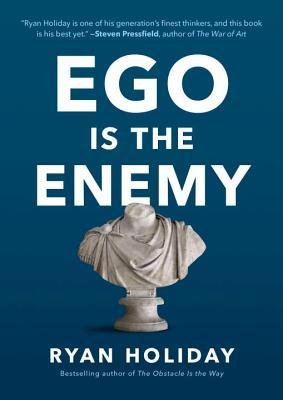
I. Okay, Let’s Talk About Ego
So real talk — when Ryan Holiday says “ego” in his book Ego Is the Enemy, he’s not doing some deep Freud psychoanalysis thing. He just means that annoying voice in your head that convinces you you’re kind of a big deal. That little arrogant streak that makes you think the rules are for other people, not you.
And here’s the thing — this book’s whole argument is that ego messes with you at literally every stage of life. Starting something new? Ego’s there, hyping you up in all the wrong ways. Finally winning? Ego shows up again, whispering that you’re untouchable now. Failing hard? Yep, ego’s there too, telling you to either sulk about it or blame everyone else.
Why does this book still hit so hard, especially now? It leans a ton on Stoic philosophy — like, ancient-Rome-guys-figured-this-out-centuries-ago kind of wisdom. And honestly? It couldn’t be more relevant in a world where everyone’s out here posting their “goals” and flexing their “authenticity” on social media while barely doing the actual work. If you’re the type who collects goal setting books and self improvement books like some people collect sneakers, this one deserves a spot on your shelf — not because it hypes you up, but because it kind of gently (okay, not always gently) knocks you down a peg.
II. The Three Rounds of Fighting Your Own Ego
Holiday breaks this whole ego battle into three rounds, basically. Here’s the cheat sheet:
| Stage | What’s going on | What ego does to you |
|---|---|---|
| Aspiring | You’re just starting out, chasing something big | Makes you care more about looking successful than actually doing the work |
| Succeeding | You made it, you did the thing | Makes you feel “special” — which turns into either laziness or straight-up paranoia |
| Failing | Things go sideways | Makes you spiral into self-pity or lash out instead of just… learning from it |
Pretty relatable, right? We’ve all been in at least one of these rounds this month probably.
III. Lesson One: Stop Talking, Start Doing
Here’s a big one — every minute you spend talking about your big plans is a minute you’re not actually working on them. And announcing your goals feels amazing in the moment, ngl, but it kind of burns up the exact energy you need to actually plan and grind.
Social media makes this so much worse. It’s basically built for talking about your goals, not achieving them. Post the vision board, caption it “manifesting,” collect the likes… and somehow that dopamine hit tricks your brain into feeling like you already did the thing.
Holiday tells this story about Upton Sinclair — dude ran for Governor of California and was SO confident he was going to win that he wrote a whole book about his victory before the election even happened. Guess what? He lost. Yeah. Awkward. Moral of the story: confidence without results is just ego cosplaying as self-belief.
IV. Lesson Two: Never Stop Being a Student
This part’s kind of wholesome honestly. Holiday talks about needing three types of people around you at all times — someone better than you to learn from, someone less experienced you can mentor, and a peer who’ll straight-up challenge you when you need it.
Take Kirk Hammett from Metallica. Dude’s the lead guitarist in one of the biggest rock bands ever, and he still went and took guitar lessons. Didn’t let being famous convince him he’d “made it” and could stop learning.
Or go way back to Genghis Khan (bear with me here) — the guy basically built an empire partly because he kept stealing the best ideas from every culture he conquered instead of assuming his way was already the best way. Staying a student, even when you’re at the top, is apparently a legit power move.
V. Lesson Three: “Alive Time” vs. “Dead Time”
Okay this one’s my favorite concept honestly. Holiday splits time into two buckets: Alive Time, where you’re using even the crappy moments to grow, and Dead Time, where you’re just wallowing, scrolling, or spiraling while life happens to you.
The example that really gets you is Malcolm X. Dude was in prison — which sounds like the definition of Dead Time, right? — but he turned it into the most Alive Time of his life. Read constantly, educated himself, came out a totally different person. Wild what you can do with a setback if you refuse to just check out mentally.
VI. Actual Stuff You Can Do to Keep Your Ego in Check
This is the part where the book stops being philosophical and gets genuinely useful. A few favorites:
- Care about the process, not just winning. There’s this idea from NFL coach Bill Walsh called the “Standard of Performance” — basically, judge yourself on how well you played, not just whether you won. Scoreboard isn’t everything.
- Keep an inner scorecard. Stop measuring yourself against everyone else’s highlight reel. Compare yourself to your own potential instead — way less exhausting, way more honest.
- Zoom out and think about the universe. Sounds dramatic, but genuinely sitting with how tiny you are in the grand scheme of things has a way of shrinking your ego real fast (in a good way).
- Try the “Canvas Strategy.” Basically — go be useful to other people. Clear the path for someone else’s success instead of hoarding the spotlight. Funny enough, that usually ends up clearing YOUR path too.
Honestly, if you’re into goal setting books or self improvement books, this section alone is worth the price of the book.
VII. But Is This Book Actually For You?
Gonna be real with you here, not every review of this book is glowing. A lot of people call it a much-needed reality check — like getting smacked in the face (in a helpful way). But some critics think it’s a little shallow, more like a really well-organized highlight reel of quotes and stories than an actual deep dive into the psychology of ego.
And yeah, that’s a fair critique. This isn’t some heavy academic text — it’s more of a practical, “read a chapter, check yourself, repeat” kind of book. If you want hardcore psychology research, look elsewhere. But if you just want something punchy that keeps you honest day to day? It totally delivers.
VIII. Quick FAQ Because You’re Probably Wondering
Isn’t ego just the same thing as confidence?
Nope, big difference. Ego is basically fake confidence — belief with nothing behind it. Real confidence is earned, built from actually being competent and self-aware.
What’s the one big takeaway?
Basically: be humble when you’re chasing something, stay gracious when you win, and don’t fall apart when you lose. Simple to say, way harder to actually live by.
Should I start with this book or one of Ryan Holiday’s other ones?
Most people say start here. It kind of clears out your ego first, which makes his other books — like The Obstacle Is the Way — hit even harder afterward.
Bottom line? Whether you’re just getting started, riding a win, or licking your wounds from a loss, the message is the same: your ego is not your friend here. The talking, the posting, the “look at me” energy — none of that actually gets you anywhere. The work does. If you’re building out your collection of self improvement books or goal setting books, do yourself a favor and add this one. It’s a quick read, but it’ll stick with you way longer than you’d expect.
Previous Post
The 48 Laws of Power: Sketchy

Next Post